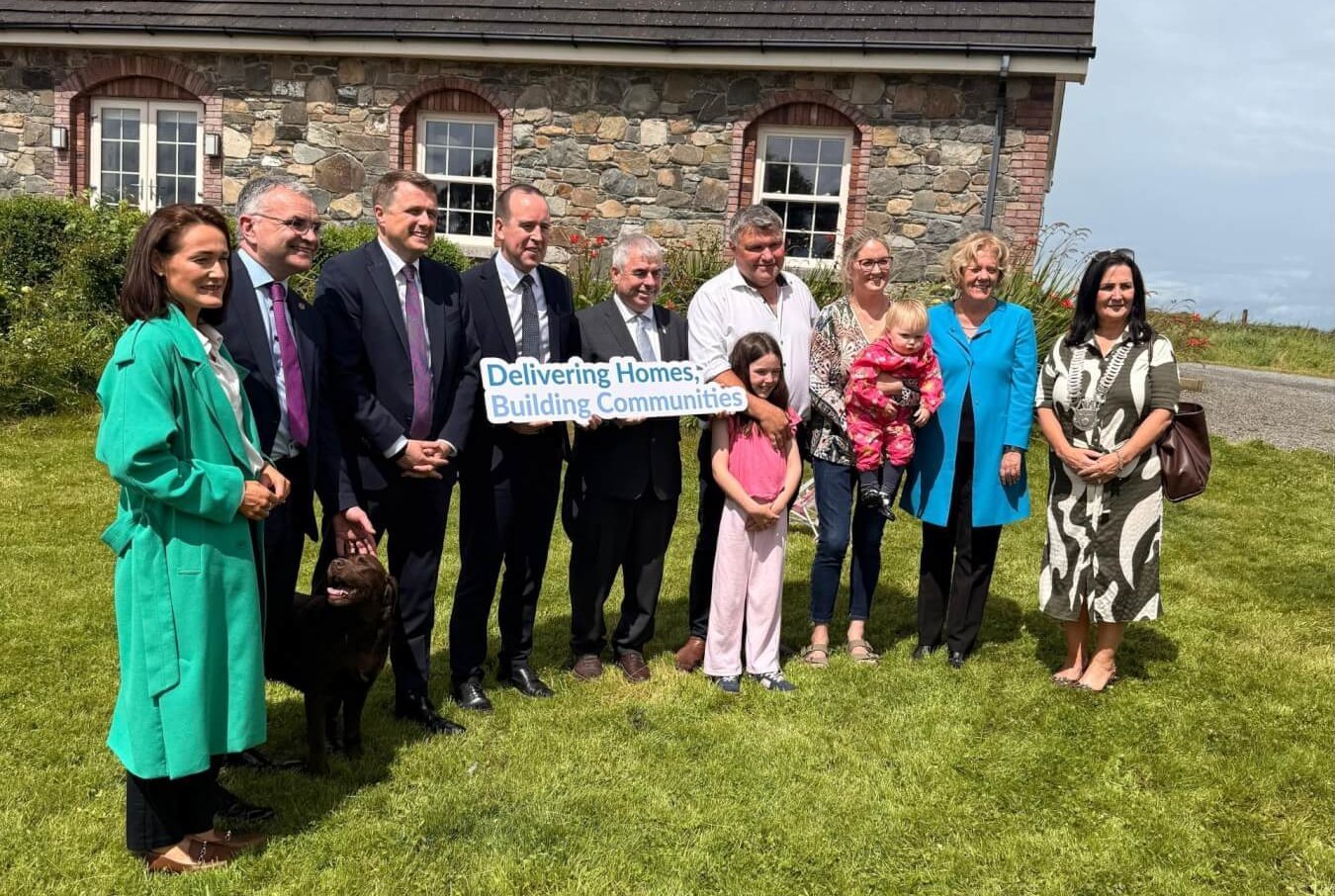
Fianna Fáil TD for Louth, Erin McGreehan, has welcomed the introduction of the new Exempted Development Regulations for Residential Dwellings, which come into effect today.
The new regulations reduce unnecessary planning requirements for homeowners while enabling local authorities to focus their resources on larger and more complex developments that require greater scrutiny.
The changes are designed to give homeowners more flexibility to make practical improvements to their homes, whether through extensions, adaptations or the creation of additional living space, while continuing to meet all relevant Building, Building Control and Fire Regulations.
Among the key changes introduced today are:
- A new exemption allowing the construction of a detached auxiliary habitable dwelling, connected to the services of the main house, with a floor area of between 32 and 45 square metres.
- A new exemption allowing the subdivision of an existing home to create one additional self-contained residential unit within the existing building envelope, provided each unit has a minimum floor area of 32 square metres.
- A new exemption permitting the addition of a dormer roof box and/or roof light to the principal dwelling.
- An increase in the exempted floor area for house extensions from 40 square metres to 45 square metres.
- An increase in the exempted floor area for structures in the rear garden, such as sheds, home offices, gyms or stores, from 25 square metres to 30 square metres.
In every case, all relevant Building, Building Control and Fire Regulations, including those relating to habitable dwellings where applicable, will continue to apply.
Speaking on the introduction of the new regulations, Deputy McGreehan said:
“These changes recognise that homeowners should be trusted to make practical decisions about their own property without having to navigate unnecessary planning processes. By reducing red tape, Minister Browne is making it easier for people to adapt their homes to suit their needs.
“The new exemptions will create more housing options for families. They will support people with disabilities who want to live more independently while remaining close to family, while also making it easier for older people to right size without leaving the communities they know.
“These reforms are also about making the planning system work more effectively. By removing straightforward household projects from the planning process, local authorities will be able to focus more of their time and resources on larger housing developments and other projects that are critical to meeting our housing needs.
“Our homes should be able to evolve as our lives change. These measures give homeowners greater flexibility to respond to changing family circumstances while ensuring appropriate building standards continue to be met.”
For further information, reach out to Erin McGreehan.
ENDS